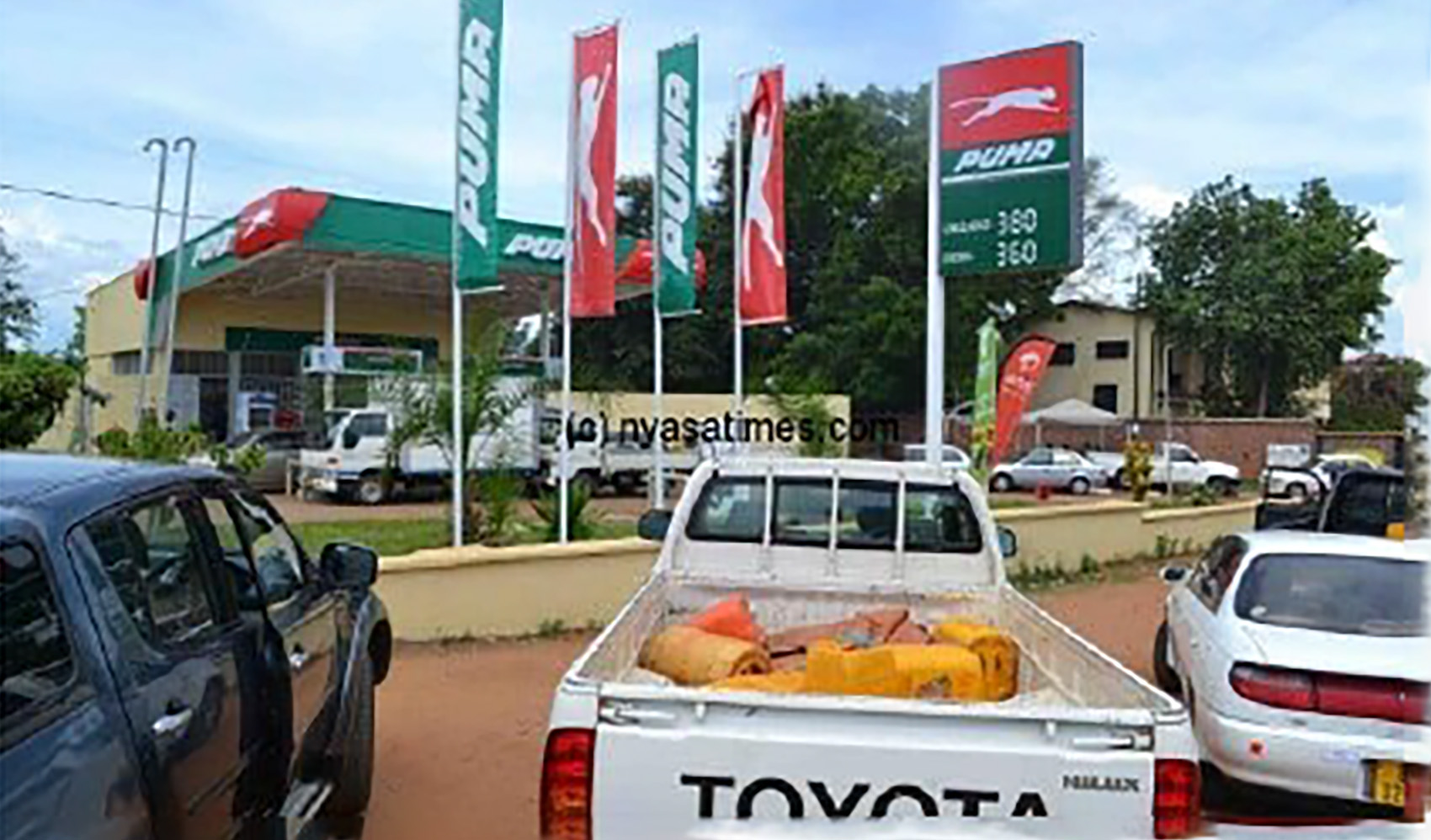
After months of queuing at fuel stations, Malawians might finally see relief. The Malawian government has announced a transition from the open tender system to a government-to-government (G2G) arrangement for fuel procurement, aiming to address the country’s persistent fuel shortages. President Lazarus Chakwera outlined the new strategy during a national address, emphasizing its potential to secure more reliable fuel supplies under favorable terms.
Reasons for the Shift
In the briefing, the president highlighted that the country’s monthly fuel demand stands at $50 million, but foreign exchange shortages have severely hindered the ability of fuel importers, including the National Oil Company of Malawi (NOCMA) and Petroleum Importers Limited (PIL), to meet this demand. Mid 2024, it was reported that Malawi Energy Regulatory Authority (MERA) owed fuel importers over MWK 785 billion due to discrepancies between import costs and retail fuel prices. The losses depleted the Price Stabilization Fund (PSF), which was initially designed to cushion price fluctuations.
The new G2G framework will allow Malawi to procure fuel directly from state-controlled suppliers, such as Saudi Aramco and the Abu Dhabi National Oil Company (ADNOC). This approach is expected to provide:
- Cost Savings: Through quantity discounts and reduced reliance on intermediaries.
- Currency Stability: By consolidating forex applications under NOCMA, reducing pressure on the Malawi Kwacha.
- Flexible Payment Terms: Extended credit periods to ease cash flow constraints.
Experts highlight the potential for the G2G model to stabilize Malawi’s fuel supply and reduce costs. However, ensuring transparency and accountability in managing these agreements will be critical. Civil society groups have urged the government to implement robust mechanisms to prevent corruption and inefficiencies.