
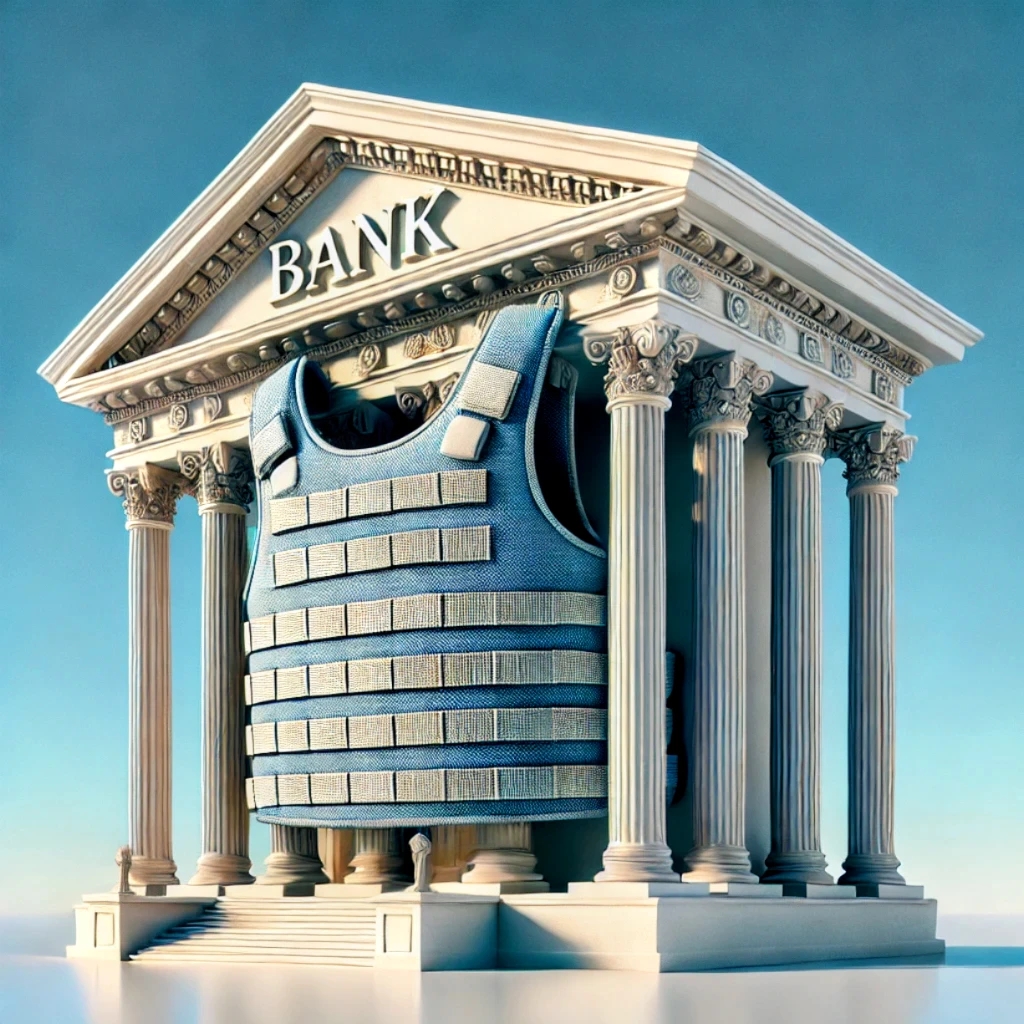
In a nation grappling with persistent economic turbulence, one sector stands out for its remarkable resilience—banking. While many industries struggle to stay afloat, Malawi’s banks are raking in record profits, weathering every economic storm with ease. Recent trading statements show that the sector is poised for another banner year, making one wonder: Is banking just about lending and storing money, or have these institutions mastered a lucrative secret?
Breaking Down the Numbers
Despite the odds, Malawi’s banks continue to defy gravity.To only mention a few banks, FDH Bank Plc anticipates a 66% to 75% profit increase for FY2024, surpassing MWK 59 billion, while NBS Bank Plc expects a jaw-dropping 133% to 147% growth, potentially reaching MWK 72.5 billion.
Last year, the sector collectively recorded over MWK 150 billion in profits. This level of growth isn’t just impressive—it’s unprecedented in an economy that has faced fuel shortages, forex constraints, and high unemployment.
What’s Driving This Resilience?
Malawi’s banks have honed their strategies to thrive in both good times and bad, thanks to a combination of factors:
1. Monetizing High Interest Rates:
With banks paying out less than 15% on deposits and charge lending rates exceeding 25%. This interest spread provides a steady income stream,
2. Diversified Revenue Streams:
Beyond loans, banks earn billions from service fees. Digital banking platforms, ATM charges, and account maintenance fees contribute significantly to their bottom line.
3. Government as a Key Client:
Treasury bills and bonds account for a significant portion of banks’ investments. This low-risk, high-reward strategy ensures stable returns, even during economic downturns.
Is Banking Really That Easy?
At first glance, banking may seem like a straightforward business. However, operating in Malawi’s volatile economy requires a blend of caution and innovation. From navigating liquidity constraints to managing regulatory pressures, banks face their fair share of challenges.
Critics argue, however, that their profitability comes at a cost. High interest rates stifle private sector growth, particularly for SMEs that struggle to secure affordable credit. The focus on government lending further limits funds available to other sectors, raising concerns about inclusivity and economic diversification.
Beyond the Balance Sheet
Malawi’s banks are also adept at managing perceptions.
However, the sector’s dominance poses a broader question: Are banks thriving because of their efficiency, or are they benefiting from systemic imbalances that limit competition and stifle economic growth?
Global Comparisons
This phenomenon isn’t unique to Malawi. Across Africa, banks in economies like Kenya, South Africa, and Nigeria have shown similar resilience. For example, Nigeria’s banks posted combined profits exceeding $1 billion in 2024, despite currency devaluations and inflationary pressures.
Malawi’s banking sector mirrors this trend, suggesting that the traditional model of relying on high margins, government lending, and forex trading remains a winning formula for profitability.
The Way Forward
As trading statements continue to roll in, one thing is clear: Malawi’s banks are masters at weathering economic storms. But to sustain this success, the sector must evolve. Lowering interest rates, expanding SME lending, and fostering innovation in financial products could unlock untapped potential across the economy.
The bigger question remains: Can Malawi’s banks transition from being fortresses of profitability to engines of economic growth? Or will their bulletproof success continue to raise eyebrows in a struggling economy?




1 Comment
Strategy aside, are Malawian banks fair to the consumer??