
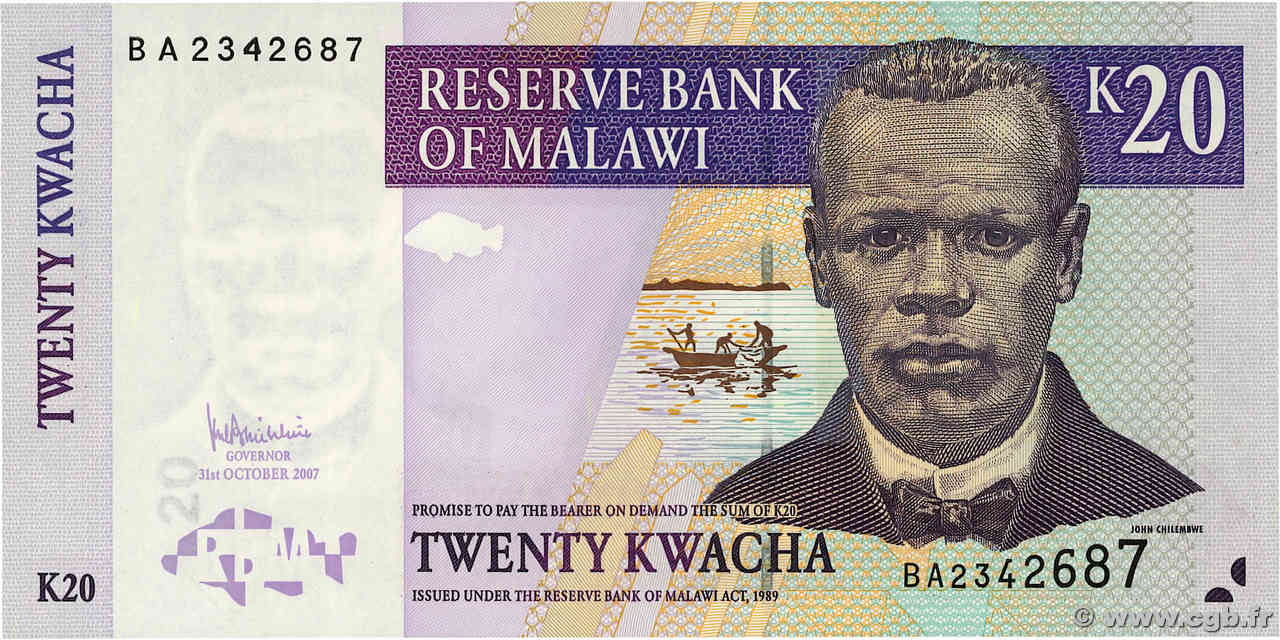
In Malawi’s bustling markets and small shops, a quiet rebellion is unfolding against one of the country’s smallest currency denominations: the MK20 note. Vendors, small shop owners, and even some retailers are refusing to accept the note, deeming it too insignificant for meaningful transactions. The Reserve Bank of Malawi has issued public notices urging Malawians to honor the MK20 and other smaller denominations of money, yet the rejection persists.
“We have received reports and calls about traders refusing to accept smaller denominations of money like K20, K50 and some coins. Any currency that is in circulation is still legal tender and it is backed by law” said Mr Mark Lungu, the Director for Public Relations at the Reserve Bank of Malawi.
This phenomenon isn’t unique to Malawi. In countries like India, smaller denominations such as the 10-rupee coin have faced similar rejection due to their perceived lack of value. Such scenarios raise questions about the role and relevance of smaller currency denominations in our economies.
Why the MK20 Is Being Rejected
We believe the rejection of the MK20 note stems from its diminished purchasing power. The note was once wage pay for employees in the 90’s, then later on was only able to buy a loaf of bread, a few years ago it was enough to buy a Lollipop, but now the note holds little significance in a market where prices have surged. For context, the introduction of the MK5,000 note further dwarfed the MK20 in perceived value, making it inconvenient for both consumers and businesses.
Vendors argue that accepting the MK20 adds unnecessary complexity to transactions. “What can I buy with MK20?” a vendor in Lilongwe asked rhetorically, summing up the frustrations of many.
Lessons from Other Countries
India offers a striking parallel. In 2016, 10-rupee coins were widely rejected in many regions due to rumors of counterfeiting and their limited purchasing power. Despite the Reserve Bank of India’s efforts to reintroduce the coin into circulation, public trust had eroded, rendering the denomination practically obsolete in some areas.
Similarly, Zimbabwe, during its period of hyperinflation, saw smaller currency denominations lose their utility entirely. This eventually led to the redenomination of their currency, eliminating notes with negligible value.
What Can Be Done in Malawi?
In a world increasingly leaning toward electronic transactions and digital currencies, we think the reliance on cash, especially smaller denominations, could be reduced. Mobile money platforms like Mpamba and Airtel Money already dominate many transactions in Malawi. Encouraging the adoption of digital payments for even small purchases can minimize the need for low-value cash notes while promoting financial inclusion and convenience. sound monetary and fiscal policies is crucial.
A Note on Value
We believe a currency is more than just a means of exchange; it’s a representation of value and trust. The rejection of the MK20 is a wake-up call for policymakers and institutions to address the underlying economic challenges that have led to this loss of confidence.
In a world where the note can barely buy a lollipop, Malawians are left asking: What is the value of money if it no longer holds value in the eyes of the people?