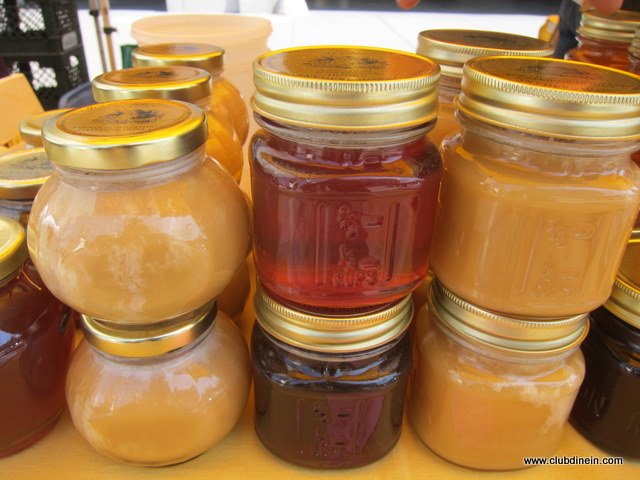
Imagine turning something as simple as honey into a multimillion-dollar industry. That’s exactly what Tanzania has done. Over the last four years, Tanzania’s honey sector has blossomed, with revenues skyrocketing by an impressive 475%, from $469,000 in 2018 to over $2.7 million in 2023. This sweet revolution has transformed rural communities, boosted exports, and showcased the power of a well-planned agricultural strategy.
Now, the big question: Can Malawi achieve the same?
Tanzania’s Honey Gold Rush
Tanzania produces an estimated 138,000 metric tons of honey and 9,200 metric tons of beeswax annually, and about 10% of that finds its way to lucrative international markets in Europe and the Middle East. What’s driving this success?
- Government Backing: Policies that recognize and prioritize beekeeping as a strategic industry.
- Empowered Farmers: Over 80,000 farmers trained and supported to increase production and quality.
- Market Linkages: Strong connections to global buyers, making Tanzanian honey a preferred choice.
- Processing Infrastructure: Investment in collection and processing centers to meet international standards.
These efforts have not only boosted exports but also provided sustainable incomes for rural communities.
Malawi’s Sweet Opportunity
Malawi, with its abundant forests, fertile land, and hardworking farmers, is perfectly positioned to follow in Tanzania’s footsteps. Beekeeping could become an economic game-changer in several ways:
- Forests Full of Potential: Regions like the North, Mulanje, Dedza, and Nkhotakota offer ideal conditions for beekeeping.
- Global Demand: The demand for organic honey is growing worldwide, and Malawi could carve out its niche.
- Rural Empowerment: Beekeeping requires minimal investment but offers high returns, making it ideal for rural communities.
- Export Diversification: Honey exports could reduce Malawi’s reliance on tobacco and bring in much-needed foreign exchange.
The Challenges We Must Overcome
Of course, sweet success doesn’t come without its stings. Malawi’s honey industry faces some significant challenges:
- Limited knowledge and skills in modern beekeeping techniques.
- Inadequate access to quality equipment and processing facilities.
- Weak policies and limited government support for the industry.
- Difficulty in penetrating international markets due to inconsistent product quality.
A Plan for a Buzzing Future
If Malawi wants to replicate Tanzania’s success, it’s time to take deliberate action:
1. Train Farmers: Equip them with modern skills and tools.
2. Invest in Infrastructure: Build processing centers to meet international standards.
3. Strengthen Policies: Support beekeeping as a strategic rural development initiative.
4. Market Malawi Honey: Position our honey as a premium organic product for global buyers.
A Sweet Vision
Tanzania’s story proves that with the right mix of support and strategy, a humble industry like beekeeping can transform lives and drive national growth. So, could Malawi become the next big player in Africa’s honey market?
We have the potential. We have the resources. All we need is the vision to make it happen.
It’s time for Malawi to step up and turn this sweet dream into a reality.
What are your thoughts? Let’s start the conversation!