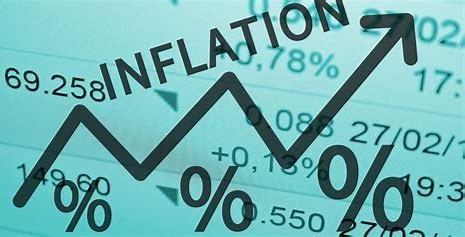
Malawi’s headline inflation rate increased to 28.1% in December 2024, up from 27.0% recorded in November. The rise in inflation was driven by higher food prices particularly maize staple food which saw a 15% price increase in December 2024. Food inflation climbed to 35.6% from 33.7% in November 2024, while non-food inflation eased slightly to 16.8% from 17.2%.
The Consumer Price Index (CPI) for December stood at 216.1, marking a 4.55% increase month-on-month from 206.7 in November 2024.
Key Drivers of Inflation:
- Food Inflation: According to the December report by IFPRI, maize retail prices saw a significant rise, averaging K1,002/kg in the last week of December—a 15% increase from K871/kg in the last week of November. This increase significantly contributed to the growth in food inflation as of December 2024.
- Seasonal Trends: December marks the lean season, where food scarcity typically pushes up prices, particularly for staples like maize.
- Non-Food Inflation: A slight decline was observed in this category, reflecting stability in some sectors.
Global Outlook on Malawi’s Inflation
According to the World Economic Situation and Prospects 2025 Report by the United Nations, Malawi’s inflation is expected to average 25.3% in 2025, reflecting a projected decrease from 33.6% in 2024. This outlook offers a glimmer of hope for easing inflationary pressures in the near future.
As the country heads into 2025, the challenge remains balancing inflation control with measures to stimulate economic growth. Can the projected decline in inflation provide relief for households, or will external shocks and domestic constraints keep prices elevated?
What Does This Mean for the Average Malawian?
For the ordinary Malawian, this means everyday essentials, especially food like maize, will continue to cost more. If you’ve noticed that your household budget isn’t stretching as far, it’s because prices are rising faster than incomes. The lean season further worsens this, as food becomes scarcer. For those who rely heavily on maize, this spike in prices will likely strain both meals and wallets. Managing expenses carefully and exploring alternatives could help families navigate this challenging period.