
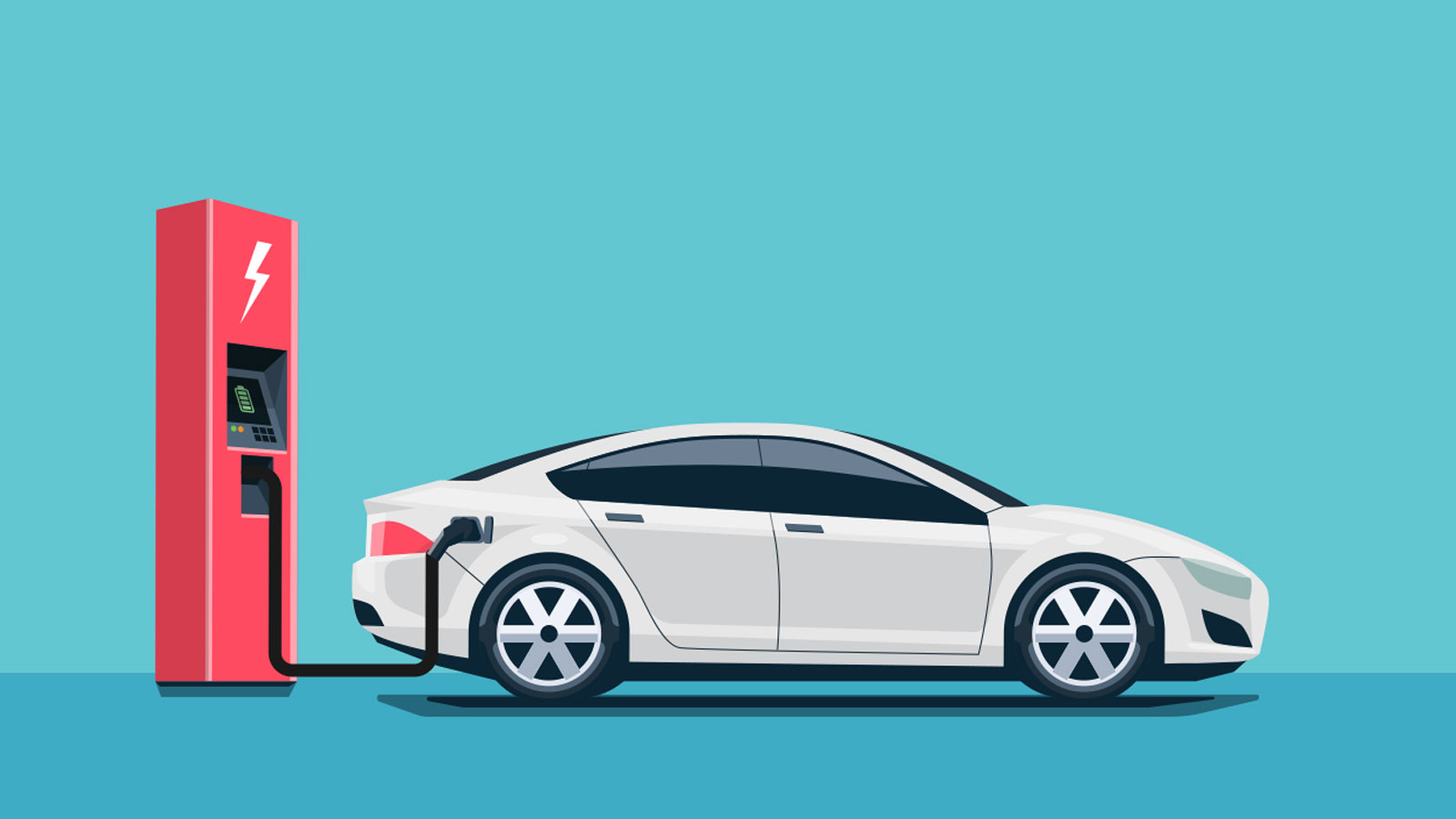
As global attention shifts towards sustainability, Malawi is beginning to explore the potential of electric vehicles (EVs) to address environmental concerns and reduce dependence on imported fuel. Despite the challenges posed by infrastructure and high upfront costs, the EV market in Malawi is still in its early stages. The transition to electric mobility in Malawi represents a unique opportunity to create a greener, more sustainable transport ecosystem while reducing the nation’s carbon footprint.
On October 15, 2024, musician and politician Penjani Fredokiss Kalua tweeted, “We need to seriously start considering electric cars.” This tweet alone brought mixed reactions in the comments and quoted section.
While some applauded the idea as forward-thinking, others voiced disbelief, noting the country’s challenges and priorities.
One recurring concern is Malawi’s persistent electricity woes. Many X users argued that the consideration of electric vehicles (EVs) would escalate an already dire situation, especially since power outages are common during rainy seasons like this. The view that EVs are not a viable move reflects widespread frustration with the country’s power supply, which many see as a major barrier to adoption.
Others questioned the practicality of EVs in the context of Malawi’s economic realities, being one of the lowest GDPs in the world. They argued that electric cars are a luxury that only a handful of Malawians can afford. “Let’s focus on improving healthcare, education, and good roads before we even start considering EVs,” commented one user. This group views the topic of EVs as a distraction from more pressing priorities.
The cost of electric vehicles and their maintenance was another major sticking point in the discussion. Malawians cannot talk about cars without thinking about the cost of maintenance and spare parts, no matter how beautiful or affordable the car is. Critics under the tweet highlighted the high upfront cost of EVs and the expensive replacement of batteries, which could be unsustainable for the average Malawian. “Even second-hand cars are a struggle for most people—who will afford an electric car, let alone maintain it?” added another tweep in the comment section.
WHY CONSIDER ELECTRIC VEHICLES IN MALAWI?
Despite these valid concerns, the case for electric vehicles remains strong. EVs are not only environmentally friendly but also offer a long-term solution to the recurring unavailability of fuel. By reducing dependence on fossil fuels, they can mitigate the adverse effects of climate change and air pollution.
Regarding electricity problems in Malawi, Fredo argued that adequate electricity indeed plays a major role in EV consideration. “But investing in electric cars can actually motivate faster improvements in the energy sector. It’s a cycle—cleaner transportation and stronger energy infrastructure go hand in hand,” added Fredokiss in reply to one of the comments.
As the global market increasingly shifts toward EVs, Malawi risks being left behind if it does not start exploring the possibilities and instead remains stuck in its problems.
A HOPEFUL BEGINNING
While Malawi may lack the resources to fully embrace EVs at present, starting small is a realistic approach. With that being said, a big congratulations go to entrepreneur Schizzo Thomson for introducing the first electric vehicle business model in Malawi in 2023.
By investing in projects such as solar charging stations or affordable EV prototypes, Malawi can gradually pave the way for a greener future.
As a country, we might be struggling with poverty and unreliable electricity, but that does not mean we should shy away from ambitious ideas. Visionary projects often start in challenging circumstances, and with time, determination, and partnerships, Malawi could one day join the global shift toward electric mobility.
After all, every big idea starts with a small, hopeful step.