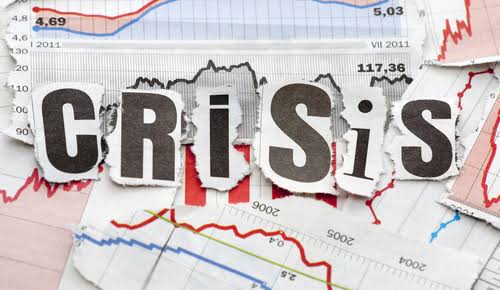
Malawi’s economy is in distress, and there seems to be no clear solution in sight. Everywhere you turn, the cries of businesses and individuals struggling with rising costs are growing louder. Inflation has now hit 28.5%, while the Consumer Price Index (CPI) surged to 226.3 in January, up from 216.1 in December. Prices of goods and services are increasing at an alarming rate, with no relief in sight.
The situation is made worse by a crippling foreign exchange (FX) shortage that continues to squeeze businesses and households. The official exchange rate for the Kwacha/USD remains at MK1,751, yet in reality, the black market is trading dollars at MK5,000. This extreme spread has created a crisis where most businesses cannot access forex through the formal banking system and are forced to pay exorbitant rates on the black market just to import essential goods.
Food Lovers Market Closes Amid Harsh Economic Conditions
The closure of Food Lovers Market’s flagship store is one of the biggest indicators of how deep the crisis runs. In its statement, the retailer cited a challenging trading environment, severe shortages, and diminishing consumer disposable income. This was not just any shop—this was a store that supplied some of the best fresh foods in the country. If a premium supermarket catering to middle and upper-class consumers could not survive, what hope is there for smaller businesses operating in even tougher conditions?
It is not just the food sector that is suffering. Across industries, businesses are struggling to remain operational. The high cost of imports, restricted access to forex, and falling consumer spending power have created an economic chokehold. Companies that rely on imports for raw materials and finished goods are seeing costs skyrocket, forcing them to either increase prices or shut down.
The Forex Crisis: A Monster That Won’t Go Away
Foreign exchange shortages have become Malawi’s biggest economic nightmare. The MK5,000/USD black market rate is a symptom of a much deeper issue—the lack of sufficient forex reserves to meet national demand. The strict regulations on forex transactions in the formal banking system have only pushed more businesses and individuals into the parallel market, making the problem even worse.
At this point, one has to ask: What exactly is being done to fix this crisis? Just a few months ago, the State President fired the Reserve Bank of Malawi (RBM) Governor, Dr. W. Banda, supposedly as part of efforts to stabilize the economy. However, since the appointment of a new governor, no tangible improvements have been seen. The kwacha remains under pressure, inflation is rising, businesses are shutting down, and forex remains scarce. If anything, things seem to be getting worse.
Is Malawi Still on Track with the Extended Credit Facility?
Another critical concern now emerging is whether Malawi is still on track with the International Monetary Fund (IMF) Extended Credit Facility (ECF) program. The ECF was meant to provide a structured framework for macroeconomic stability and forex inflows, but recent economic developments suggest that the country might be struggling to meet the agreed conditions.
If Malawi falls off track with the ECF, it could risk losing access to much-needed forex injections from the IMF and other development partners. This would further exacerbate the forex crisis, as donor confidence plays a significant role in stabilizing foreign currency reserves. Without a clear indication from authorities on the country’s progress with the IMF program, investor confidence could take another hit, making the economic situation even more difficult.
A Leadership Vacuum in Economic Management?
Economic stability requires clear direction, decisive action, and long-term planning. Right now, Malawi appears to lack all three. The government has yet to put forward a clear strategy to address the forex crisis, inflation, and business closures. While the RBM and Ministry of Finance continue to issue statements on economic policies, there is little real impact being felt on the ground.
At the core of the problem is the disconnect between policy and reality. The official exchange rate does not reflect market conditions, and strict forex controls have only driven more demand into the black market. Inflation data may tell us that food prices are up 36.0%, but for the average Malawian, the real impact is far worse. Basic goods that were once affordable are now out of reach, and salaries are not increasing fast enough to keep up.
Where Do We Go From Here?
The harsh reality is that things may get worse before they get better. The forex crisis will not be solved overnight, and inflation is unlikely to come down until the next harvest season eases food prices. Businesses will continue to struggle until import costs stabilize, and ordinary Malawians will feel the pressure for months to come.
So what can be done? The government and RBM need to take bold, decisive action to address the economic crisis. That means:
- Increasing forex reserves through policies that support exports and attract foreign direct investment (FDI).
- Introducing market-driven forex policies to close the gap between the official and black market rates.
- Easing import costs by reviewing tariffs and exploring subsidies for critical goods.
- Boosting domestic production to reduce reliance on imports and stabilize food prices.
Without these urgent interventions, the economic crisis will only deepen. And if that happens, all we may have left to say is: God save the economy.