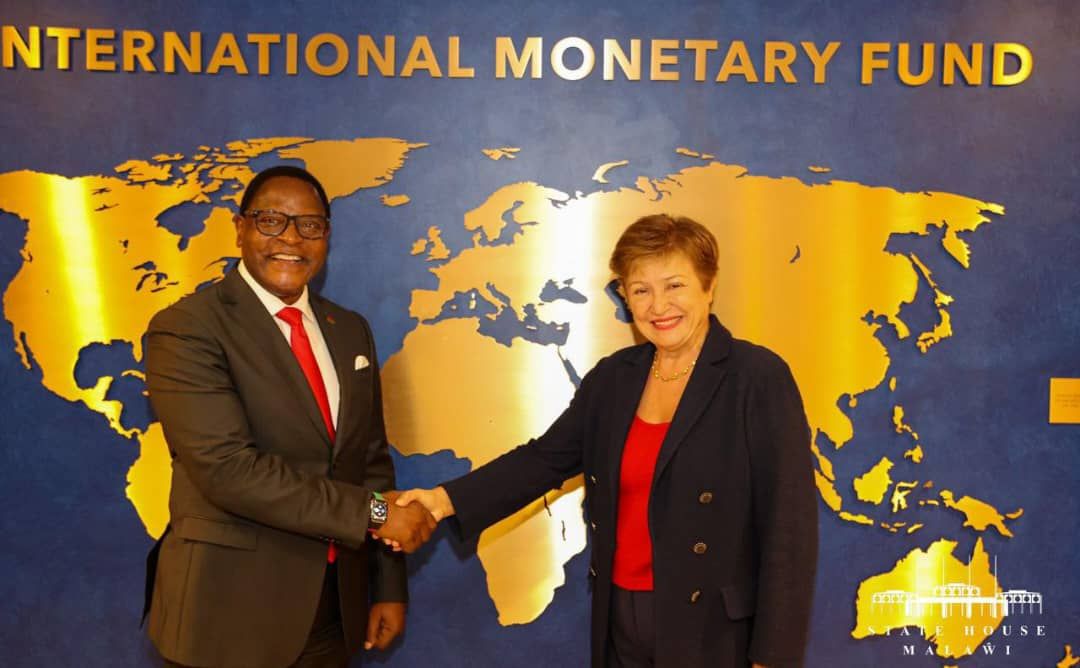
It has been about 6 months since the International Monetary Fund (IMF) last visited Malawi to discuss matters related to the Extended Credit Facility (ECF). The absence of communication from the IMF regarding conclusion of the first review of the ECF raises questions whether the country is on track for further disbursements of the facility. During their last meeting in May 2024, the authorities discussed the need to work on returning to a sustainable fiscal adjustment path, rebuild external buffers, and restore debt sustainability.
Malawi’s economy is grappling with multiple hurdles that have strained both businesses and households:
- Shrinking foreign exchange reserves which was recorded at USD 519.0 million (2.1 months of imports) in October 2024 from USD 560.3 million (2.2 months of imports) recorded in September 2024
- Persistent scarcity of fuel, linked to forex shortages which has been affecting every sector of the economy
- Public debt ballooning with domestic and external borrowing to finance deficits and development projects
In an exclusive interview, a former Reserve Bank of Malawi governor Dr Dalitso Kabambe described the state of the economy as “precarious and terribly concerning.” The former governor emphasized the urgent need for macroeconomic reforms and external financial support to stabilize the economy.