
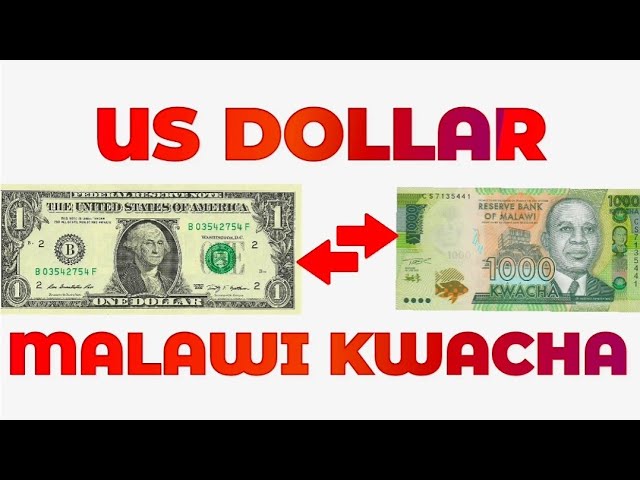
The disparity between the official exchange rate and the black market rate for the US dollar in Malawi continues to widen. According to a recent snap survey by Times publications, reported that black market traders in Lilongwe and Blantyre are trading dollars between MWK2,950 and MWK3,000. This sharp contrast to the official bank rate of MWK 1,751 raises questions about what’s driving the black market to push prices higher.
Where Does the Black Market Get Its Dollars?
This question lingers like a mystery novel’s unsolved plot twist. Some say it’s from traders with connections abroad, while others believe it’s a shadowy network involving informal remittance channels. Whatever the source, the black market seems to have a steady supply when banks don’t.
Supply and Demand Imbalance
The fundamental driver of the rising black market dollar rate is a severe shortage of foreign exchange in the formal market. Businesses and individuals unable to source dollars through banks are turning to the parallel market, where supply is limited. This heightened demand exerts upward pressure on prices, as black market traders capitalize on the scarcity.
Forex Shortages in the Formal Sector
Malawi’s foreign exchange reserves have been under strain, with imports of essential goods such as fuel, medicines, and agricultural inputs outpacing dollar inflows. The Reserve Bank of Malawi’s (RBM) efforts to stabilize the official exchange rate at MWK 1,751 have inadvertently pushed more transactions into the informal market.
Arbitrage Opportunities
The massive gap between the official rate and the black market rate creates opportunities for arbitrage. Traders with access to dollars at the official rate can sell them at a significant profit in the parallel market, further fuelling activity outside the banking system.
1 Comment
Getting dollars through a bank is almost impossible now. I have waited over a year and still nothing. It means many people cannot make payments.