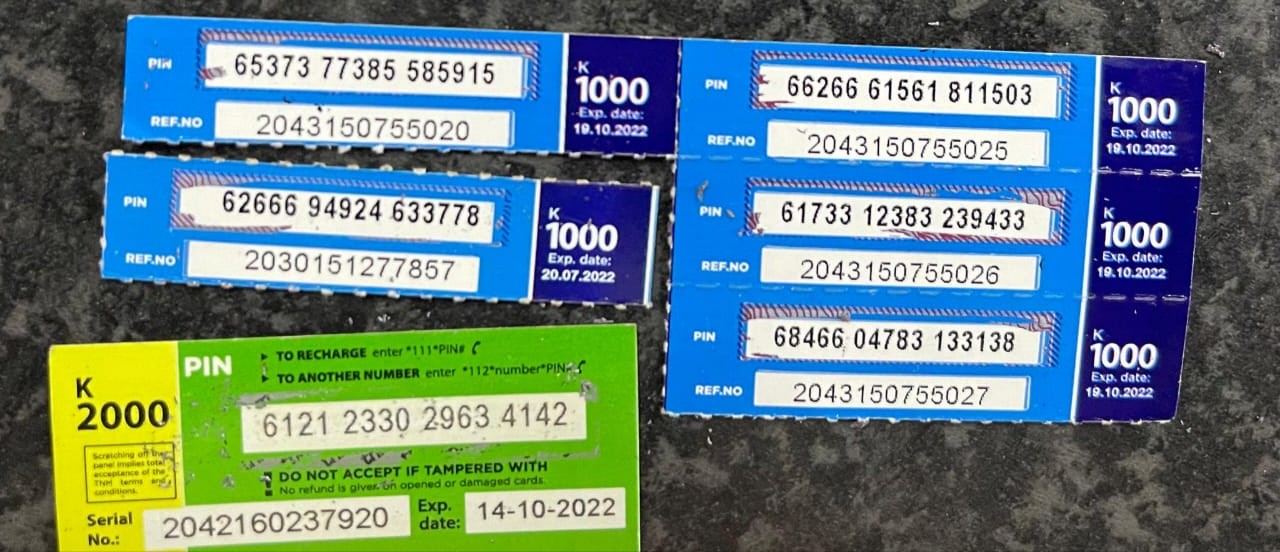
Throughout 2024, Malawian mobile users received messages from the Malawi Communications Regulatory Authority (MACRA) announcing the phase-out of physical airtime scratchcards, effective 31 December 2024. The message, which read:
“Mayunitsi okala asiyiratu kupezeka kuyambila a 31 December 2024. Gulani mayunitsi pa TNM Mpamba poimba *444# ndi Airtel Money poimba 211# ndikusankha 1,”
Informed users to purchase airtime exclusively via TNM Mpamba or Airtel Money. This decision by MACRA was part of a bold initiative to drive the country’s digital transformation agenda and promote financial inclusion. However, the move raises significant concerns about its impact on users and small-scale sellers, particularly in a society where digital literacy and access to financial services remain limited.
For many Malawians, especially those in rural areas, this transition poses notable challenges. A significant portion of the population relies on low-denomination airtime purchases, often below $0.58, to manage their daily budgets. With the shift to digital platforms—phased in since May 2024—those who lack familiarity with or access to mobile money services risk exclusion.
Mobile money agents, who play a key role in this system, have also discouraged low-value transactions due to minimal commissions, creating additional barriers for users with limited funds. These challenges highlight the need for tailored solutions that address the specific needs of low-income and rural populations.
Malawi’s success in this transition will depend on how well policymakers, mobile operators, and financial institutions collaborate to address these barriers. Measures such as incentivizing agents to accept low-value transactions, launching widespread digital literacy campaigns, and improving access to digital tools in underserved areas will be critical.
It has been 3 weeks now since scratchcards have completely phased out according to MACRA but the question still remains: is the country ready for such a transformation, or will the move widen the digital divide? The answer lies in how well the transition is managed to balance innovation with comprehension.