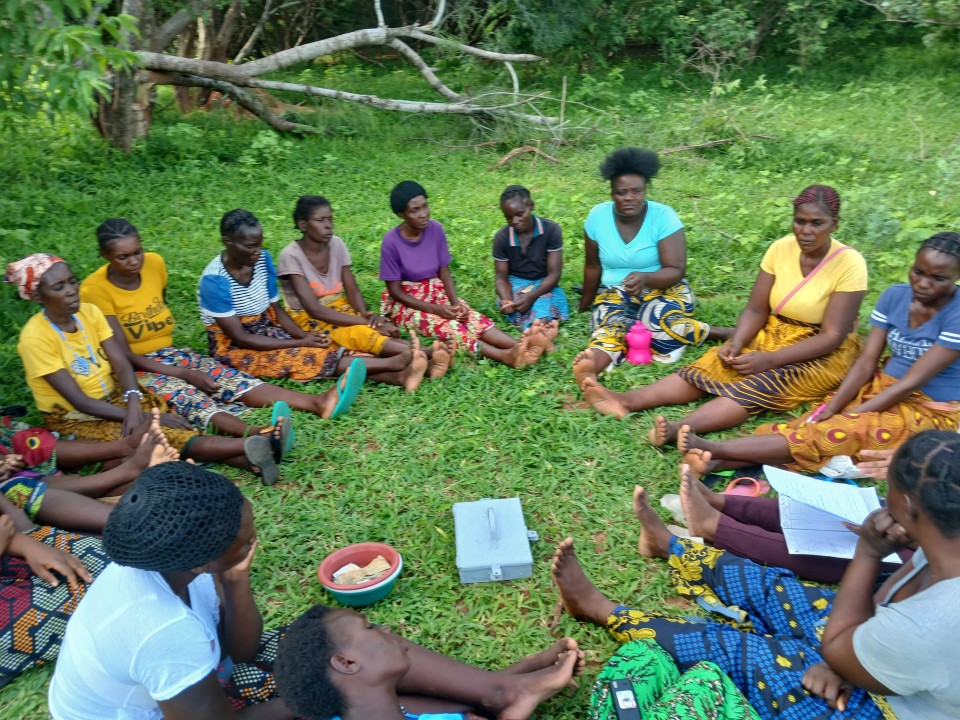
For years, village banks(Banki m’khonde) have been the cornerstone of community savings in Malawi. They have brought people together, encouraged financial discipline, and allowed families to access much-needed funds. But let’s face it—village banks have hit their peak. The model, while beneficial, has its limitations. It’s time for Malawians to rethink and reinvent this concept by transforming village banks into investment groups that can truly build wealth and create sustainable income streams.
Village banks, as we know them, focus on savings, loans, and interest-sharing. Members contribute their money, borrow from the pool, and repay with interest. It’s simple, but therein lies the problem—it’s too simple. The model often creates dependency on loans and limits wealth creation to interest earnings. Once the cycle ends, there’s little room for growth, and most groups end up redistributing the same money year after year.
Now, imagine if these groups shifted their focus to becoming investment groups. Instead of just saving money and lending it out, members could pool their resources to buy assets that generate income. Think farming, property, stocks, bonds, or even government securities. These are investments that don’t just grow your money—they make your money work for you.
Why Make the Shift?
1. Long-Term Growth: Unlike village banks, investment groups focus on building assets that appreciate over time, creating lasting wealth.
2. Diversified Income: With investments in property, bonds, or shares, groups can earn rental income, dividends, or interest payments, providing multiple streams of revenue.
3. Economic Impact: By participating in financial markets, investment groups can play a role in boosting economic activity, helping businesses grow, and fostering a culture of entrepreneurship.
The Investment Group Blueprint
Transitioning to an investment group isn’t as complicated as it sounds. It starts with education. Members need to understand the basics of investing, the risks involved, and how to analyze opportunities. The group can then agree on investment goals—whether it’s buying land, investing in the stock market, or acquiring high-yield bonds.
Transparency and governance are also key. Clear rules on how investments are managed, profits are distributed, and decisions are made will ensure trust and accountability. With these structures in place, the group can approach financial advisors or brokers to guide them through the process.
The Future of Financial Communities
The potential for investment groups in Malawi is enormous. Instead of being limited to small-scale loans, these groups could own properties in prime areas, hold significant shares in local companies, or even invest in startups. This would not only transform the financial well-being of members but also contribute to the development of Malawi’s economy.
The time for village banks was yesterday. Today, it’s time to change the game. By transitioning into investment groups, Malawians can create a culture of wealth creation and financial empowerment. So, will your group take the leap, or will you remain stuck in the cycle of loans and interest? The choice is yours.